
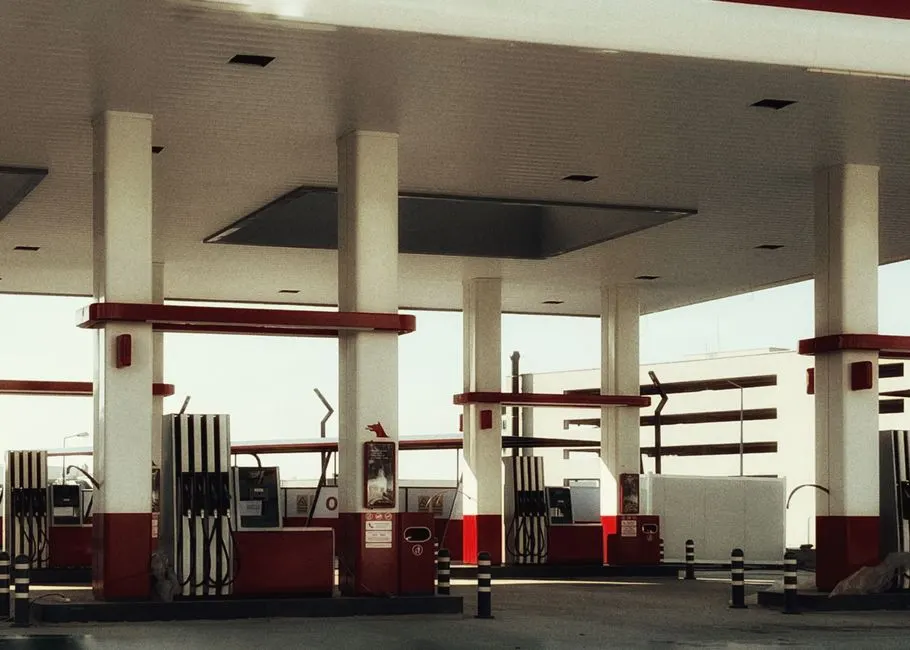
Nitrogen pressure test
We isolate the system, pressurize with dry nitrogen, and hold it to confirm whether and where it leaks. This is the step that separates a real recharge from a top-off.
A real recharge is more than adding refrigerant. Here is what we include on every Heat Pump Refrigerant Recharge Manassas VA visit, and what gets quoted separately if your system needs it.
We isolate the system, pressurize with dry nitrogen, and hold it to confirm whether and where it leaks. This is the step that separates a real recharge from a top-off.
We sweep every flare fitting, Schrader valve, and coil joint with an electronic leak detector, then confirm suspect spots with soap bubbles. You get the leak location, not just a diagnosis.
We pull the system down with a vacuum pump and hold 500 microns for 15 minutes. Skipping this traps moisture and acid in the system, which kills compressors.
We charge R-410A or R-32 on a digital scale to the exact factory weight on the data plate, then verify superheat and subcooling. No guessing by gauge pressure alone.
We confirm a 15 to 20 F temperature split in cooling and 95 F or better supply air in heating, and log the charge weight and pressures on your invoice.
Any refrigerant we remove gets recovered with a recovery machine per EPA Section 608 rules. We never vent refrigerant to atmosphere, and we document what was recovered.
Heat Pump Refrigerant Recharge Manassas VA is a leak-tested refrigerant service that restores the correct charge in your heat pump so it can move heat properly in both heating and cooling modes. We recover the remaining charge with a refrigerant recovery machine, pressure-test the line set with nitrogen, and use a manifold gauge set and electronic leak detector to pinpoint leaks at Schrader valves, flare fittings, or coil joints. Then we evacuate the system with a vacuum pump down to 500 microns, weigh in the exact factory charge of R-410A or R-32, and verify superheat and subcooling before we leave.
Manassas summers push heat pumps hard, and by October most systems have run five months straight. A heat pump that is 10 to 15 percent low on charge loses capacity, runs longer cycles, and can freeze the indoor coil. If you are searching for a Heat Pump Refrigerant Recharge Manassas VA near me, we handle same-day refrigerant recharge Manassas VA calls across Manassas County, including 20110 and 20108, and we test for leaks first so you are not paying for the same recharge twice.
Every recharge follows the same sequence: verify the complaint, find the leak, fix it, evacuate, and weigh in the charge. Here is what you can expect from the moment we pull into your driveway.
Schedule
Call or book online — a real human picks up and confirms a 2-hour arrival window.
Diagnose
Licensed tech inspects on-site, then walks you through the cause and your options.
Fix
The job is completed to code and done right the first time — no shortcuts, no surprises.
Guarantee
Every job backed by a written workmanship warranty — and we stand behind it.
Manifold gauge set
Reads high and low side pressures so we can calculate superheat and subcooling and confirm the charge is correct after recharge.
Vacuum pump
Pulls the system down to 500 microns to remove moisture and air before charging. Skipping this step is the number one cause of repeat compressor failures.
Refrigerant recovery machine
Recovers existing refrigerant into a recovery cylinder per EPA Section 608 rules so nothing is vented to atmosphere.
Electronic leak detector
Finds leaks at flare fittings, Schrader valves, and coil joints that pressure gauges alone cannot pinpoint.
Digital multimeter and clamp meter
Tests compressor amp draw, capacitor condition, and control voltage so we catch electrical problems that mimic a charge issue.
Capacitor tester
Confirms whether a weak run capacitor is causing short cycling before we blame the refrigerant charge.
Coil cleaning pump and fin comb
Cleans condenser and evaporator coils and straightens bent fins so airflow and heat transfer are correct before charge verification.
EPA Section 608 recovery and charging procedure
Federal law requires certified technicians to recover refrigerant before opening a system and to charge by weight, not by pressure guesswork. We follow it on every job and document what was recovered and added.
Nitrogen pressure test with electronic leak detection
We isolate the system, pressurize with dry nitrogen, and sweep every joint with an electronic detector. This is how we find slow leaks that a simple pressure check misses.
Weigh-in charging with superheat and subcooling verification
We charge R-410A or R-32 on a digital scale to the data plate weight, then confirm superheat in cooling and subcooling in heating against the manufacturer spec for that model.
ACCA quality standards for airflow and charge
We verify static pressure, filter condition, and blower performance before signing off on charge. Correct airflow is required for an accurate charge reading and for the system to actually deliver rated capacity.
01
What we do: We pressure-test with nitrogen, find a leaking Schrader core, replace it, pull a vacuum to 500 microns, and weigh in the factory R-410A charge. Total visit runs about three hours.
→ Supply air comes back at 100 F, the system stops running nonstop, and the homeowner avoids a winter emergency call.
02
What we do: We thaw the coil, check the air filter and blower motor, leak-test the line set, repair a flare fitting, and recharge. We verify a 18 F temperature split before leaving.
→ Cooling is restored the same day, and the condensate drain stays clear because the coil is no longer freezing.
03
What we do: We test the capacitor and contactor, find a weak capacitor and a charge that is 10 percent low, replace the capacitor, leak-test, and recharge to spec.
→ Runtime normalizes, amp draw drops back into range, and the homeowner gets a written charge weight and superheat reading.
04
What we do: We leak-test each flare with an electronic detector, re-flare and torque the leaking connection, evacuate, and weigh in R-410A to the data plate spec.
→ The mini-split holds charge through the season, and the homeowner stops paying for annual top-offs.
Manassas heat pumps live a hard life. Summers push 95 F with high humidity, and winters swing from 50 F afternoons to 20 F nights, which means the system cycles between heating and defrost constantly. That thermal cycling works flare fittings and Schrader valves loose over time, and it is why we see more slow leaks here than in milder climates. Homes in the Manassas Historic District and Old Town Manassas often have older line sets with flare connections that were never re-torqued, while newer builds in Bristow and Gainesville tend to have brazed joints that hold better. We work under a Virginia HVAC license and Manassas County contractor license, and we follow EPA Section 608 rules on every recovery. If you need emergency refrigerant recharge near Manassas VA on a January night, we run 24/7 calls and stock R-410A and R-32 on the van so we can finish in one trip.
Old Town Manassas
Older homes here often have original line sets with flare fittings that need re-torquing and leak testing before any recharge.
Loch Lomond
Many 1990s-era Carrier and Rheem systems in this neighborhood are on their second or third recharge and benefit from a permanent leak repair.
Bull Run
Mini-split and ductless installs are common here, and their flare connections are the most frequent leak point we find.
Sudley
Larger two-story homes here run longer cooling cycles, so a 10 percent undercharge shows up fast as a second-floor comfort complaint.
Yorkshire
Trane and American Standard systems dominate this area, and we carry the factory charge specs for both on the van.
Humid summers with five months of continuous cooling runtime
Long runtimes raise head pressure and stress the compressor, so a low charge turns into a compressor failure faster here than in drier climates.
Wide winter temperature swings and frequent defrost cycles
Defrost cycling reverses refrigerant flow repeatedly, which works flare fittings and reversing valves harder and exposes slow leaks.
Mix of older flare-connected and newer brazed line sets
We adjust leak detection and repair method based on the connection type, which changes both the repair time and the cost.
Pollen season coating outdoor coils
Dirty coils raise pressures and skew charge readings, so we clean coils with a coil cleaning pump before we verify the charge.
Low refrigerant shows up in predictable ways. Here are the symptoms we see most on Manassas heat pumps, and what happens if you let them run.
Problem
The system runs constantly, strips the aux heat strips on, and your electric bill spikes while the house never reaches setpoint on a 30 F night.
Our Fix
We pressure-test, find the leak, repair it, and recharge to factory spec. Supply air in heat mode should hit 95 to 105 F. If it does not after recharge, we test the reversing valve next.
Problem
A frozen coil blocks airflow entirely, dumps water into the drain pan, and can clog the condensate drain line. Running it frozen starves the compressor of oil.
Our Fix
We thaw the coil, verify airflow and filter condition, then leak-test and recharge. We also check the defrost board and sensors so the outdoor unit cycles defrost correctly.
Problem
Short cycles wear out the contactor and capacitor, spike amp draw on startup, and cut system life by years. It also never dehumidifies the house properly.
Our Fix
We test the capacitor and contactor with a capacitor tester and clamp meter, check the thermostat, and verify charge. Often it is a weak capacitor plus a low charge, and we fix both in one visit.
Problem
A compressor slugging liquid refrigerant or running starved gets loud right before it fails. A $2,000 compressor replacement is the usual ending if you ignore it.
Our Fix
We diagnose the noise with pressure readings and amp draw, correct the charge, and confirm the noise is gone. If the compressor is already damaged, we quote replacement and recharge the new one to spec.
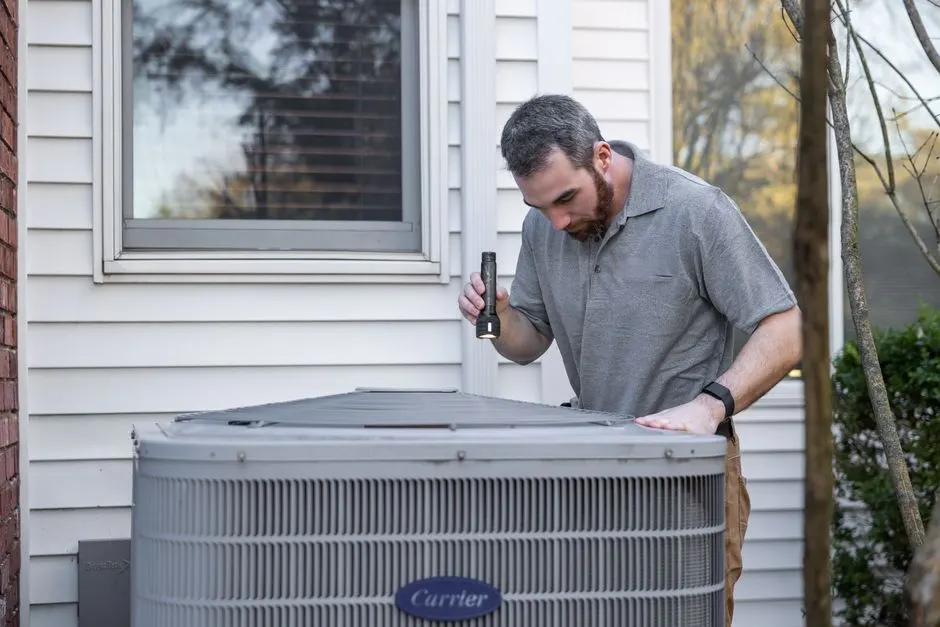
Topping off refrigerant without fixing the leak is a temporary patch. A leak-tested recharge restores capacity, cuts runtime, and protects the compressor from the damage that low charge causes.
Restores full heating capacity
A heat pump low on charge by 15 percent can lose 20 to 30 percent of its heating capacity. After a verified recharge, supply air in heat mode climbs back to the 95-105 F range, and your system stops running nonstop on 35 F nights.
Lowers electric bills
Low refrigerant makes the compressor run longer to hit the thermostat setpoint. Customers in Loch Lomond and West Gate routinely see runtime drop 20 to 30 percent after a leak repair and recharge, which shows up on the next Dominion bill.
Prevents compressor failure
Running a compressor with low charge starves it of returning refrigerant and oil, and it overheats. A $300 to $600 recharge beats a $1,800 to $2,800 compressor replacement every time, especially on Carrier and Trane units more than eight years old.
Stops the freeze-thaw cycle
Undercharged systems drop below 32 F at the indoor coil, frost over, and then dump water into the drain pan. Fixing the charge stops the frozen coil, the short cycling, and the condensate drain clog that follows.
Typical 2026 pricing for Heat Pump Refrigerant Recharge Manassas VA runs $250 to $650 for leak detection, vacuum, and the first few pounds of R-410A or R-32. Leak repair adds $150 to $500 depending on whether it is a Schrader core, a flare fitting, or a brazed coil joint. We quote the diagnostic, the repair, and the refrigerant cost before we start, so an affordable refrigerant recharge Manassas VA quote does not turn into a surprise invoice.
Typical Investment Range
$250 - $650 for a standard leak-tested recharge; $400 - $1,150 with leak repair
A verified recharge with a repaired leak restores full capacity and protects a compressor that costs $1,800 to $2,800 to replace. Paying once for the right fix beats paying every spring for a top-off that never holds.
What changes the price
How much refrigerant is needed
R-410A and R-32 are priced per pound, and a system that is 3 pounds low costs more than one that is 12 ounces low. We weigh in exactly what the data plate calls for, no more.
Leak location and repair type
A Schrader core or flare fitting is a quick fix. A leak inside a sealed indoor coil means either a coil replacement or a full unit replacement, which changes the job entirely.
System type and refrigerant
Standard split systems and mini-splits use different charge weights and access points. Mini-splits with multiple heads take longer to leak-test and charge correctly.
Access and line set condition
Line sets buried in a wall or run through a finished ceiling take longer to leak-test. Corroded or kinked line sets may need a section replaced before recharge.
Whether electrical parts failed
A weak capacitor or contactor often fails alongside a low charge. Replacing them during the same visit adds parts cost but saves a second service call.
Google ★★★★★4.9
They found a leak two other companies missed and actually repaired it instead of just adding refrigerant. Got the charge weight and superheat readings in writing. Heat mode is back to normal.
Google ★★★★★4.8
Same-day service on a frozen coil in July. Tech explained the nitrogen test and showed me the leaking flare fitting. Recharged and verified before he left. Fair price, no upsell.
BBB ★★★★★4.9
Called for a mini-split that lost heat every winter. They re-flared the leaking connection, evacuated, and weighed in the charge. No repeat visits since. Straight answers the whole way.
Refrigerant handling is regulated work, and we treat it that way. Our technicians hold EPA Section 608 certification, which is required by federal law to buy, recover, and charge refrigerant. We follow ACCA quality standards on airflow and charge verification, and we work under a Virginia HVAC license and Manassas County contractor license. We service Carrier, Trane, Lennox, Goodman, Rheem, York, Mitsubishi Electric, Daikin, Bosch, and American Standard equipment, so we know the factory charge specs and the common leak points on each.
Real experiences from customers who chose our Heat Pump Refrigerant Recharge services.
“Our heat pump was blowing cold air in heat mode and I figured it just needed a top off. They found a leaking Schrader core, replaced it, pulled a vacuum, and weighed in the R-410A. Supply air went from 78 F to 102 F. That was two winters ago and it is still holding charge.”
Dana R.
Homeowner, Old Town Manassas
“Called on a Tuesday morning with a frozen indoor coil and they were out by early afternoon. The tech showed me the nitrogen pressure test and where the flare fitting was leaking. Recharged and verified subcooling before he left. My electric bill dropped about $40 the next month.”
Marcus T.
Homeowner, Loch Lomond
“Two other companies wanted to just add refrigerant. Vanguard pressure-tested first and found the leak at the indoor coil joint. They repaired it, recharged, and gave me the charge weight and superheat readings in writing. No repeat visits, no mystery charges.”
Priya S.
Homeowner, Bull Run
Real answers to the questions we hear most often from local homeowners and property managers.
When a recharge alone will not fix the problem, we diagnose the compressor, reversing valve, or defrost board and repair it. Most Manassas no-heat calls trace back to a charge issue plus one failed component.
View Heat Pump RepairIf your system is R-22 era or the compressor is gone, we install Carrier, Trane, Lennox, and Mitsubishi Electric systems with the correct factory charge weighed in from day one. We handle line set sizing and startup verification.
View Heat Pump InstallationTwice-a-year maintenance catches low charge before it costs you a compressor. We check pressures, clean coils, and test capacitors and contactors so small issues never turn into a mid-July breakdown.
View Heat Pump MaintenanceNo heat at 2 a.m. in January is an emergency in Manassas. We run 24/7 emergency calls, and if the system is low on charge we can recover, leak-test, and recharge on the spot when parts allow.
View Emergency Heat Pump RepairA tune-up includes a pressure check, coil cleaning, and a charge verification. If we find the system low, we quote a leak-tested recharge rather than blindly topping it off.
View Heat Pump Tune-UpThis is the step that makes a recharge last. We locate leaks with nitrogen pressure and an electronic detector, then repair Schrader cores, flare fittings, or brazed joints before recharging.
View Heat Pump Refrigerant Leak RepairCall us at (571) 760-4910 or email [email protected]. We answer the phone 24/7 for emergencies. For routine service, we schedule same-day or next-day appointments. Our office is in Manassas, and we serve all of Manassas County and nearby towns.
Phone
(571) 760-4910Address
9101 Mike Garcia Dr, Manassas, VA 20110
Hours
Mon–Fri: 7AM – 7PM
Sat: 8AM – 4PM
Sun: Emergency Only
24/7 Emergency Available